A quiet attic with GREENVIEW roof windows

A quiet attic does not happen by chance. It is the result of a carefully designed roof window that effectively reduces noise coming from different directions. For some, the problem is a busy street and heavy traffic; for others, it may be the sounds of gardening or construction work nearby. Noise sources can change throughout the day, but their impact on everyday comfort remains the same. In GREENVIEW roof windows by FAKRO, acoustic comfort is built through the window structure, airtightness, and the solutions used in the P50 glazing unit. It is the combined performance of these elements that allows external noise to be effectively reduced and helps create an attic space that supports rest, concentration, and comfortable everyday living.
Window construction as the foundation of silence
 Silence in the attic begins with the window construction, as it is the first element to absorb sound energy. Noise consists of vibrations that travel through air and building materials, which is why the stability and quality of the profiles used are of key importance. GREENVIEW roof windows are available in both wooden and PVC versions, allowing the material to be selected according to the function of the room and specific operating conditions. Regardless of the chosen option, the window structure is designed with durability and stable performance in mind. Both wooden and PVC profiles form a solid frame and sash, which provide the foundation for solutions affecting the window’s airtightness and performance parameters, including acoustic insulation.
Airtightness with no room for sound
The glazing unit as part of the window system
Glass thickness
A hidden element working in the background
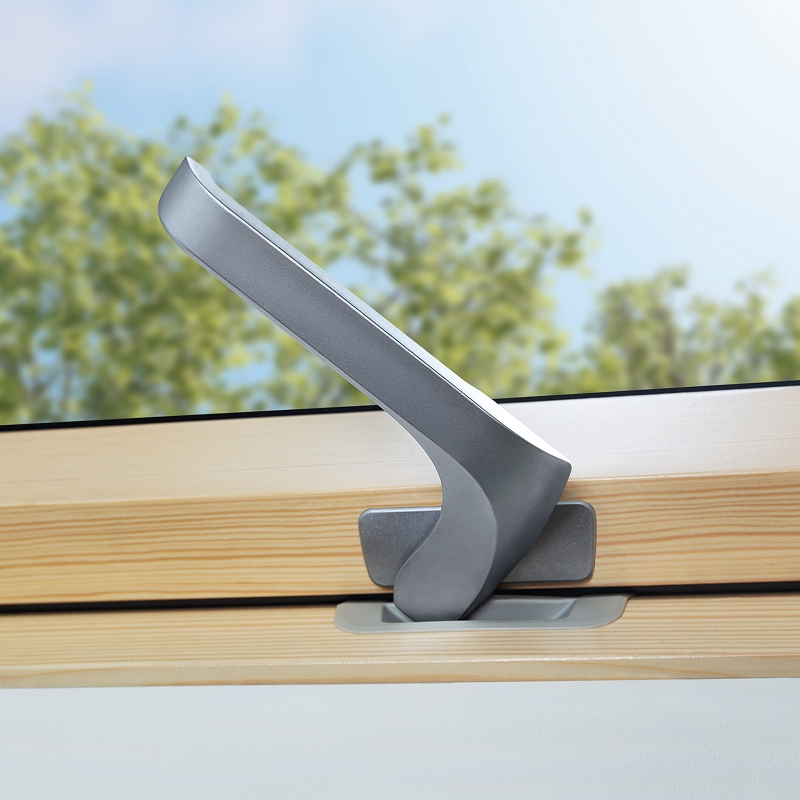 The P50 glazing unit also incorporates a solution that remains invisible to the user, yet has a real impact on acoustic comfort. Two thin sound‑insulating films are embedded within the glass, their purpose being to limit the transfer of vibrations between the panes. They reduce the energy of sound waves, making the glass less responsive to external acoustic impulses. This technical solution works throughout the entire service life of the window, supporting the effectiveness of the other elements of the system.
An air inlet in a roof window
Silence that begins with a single movement
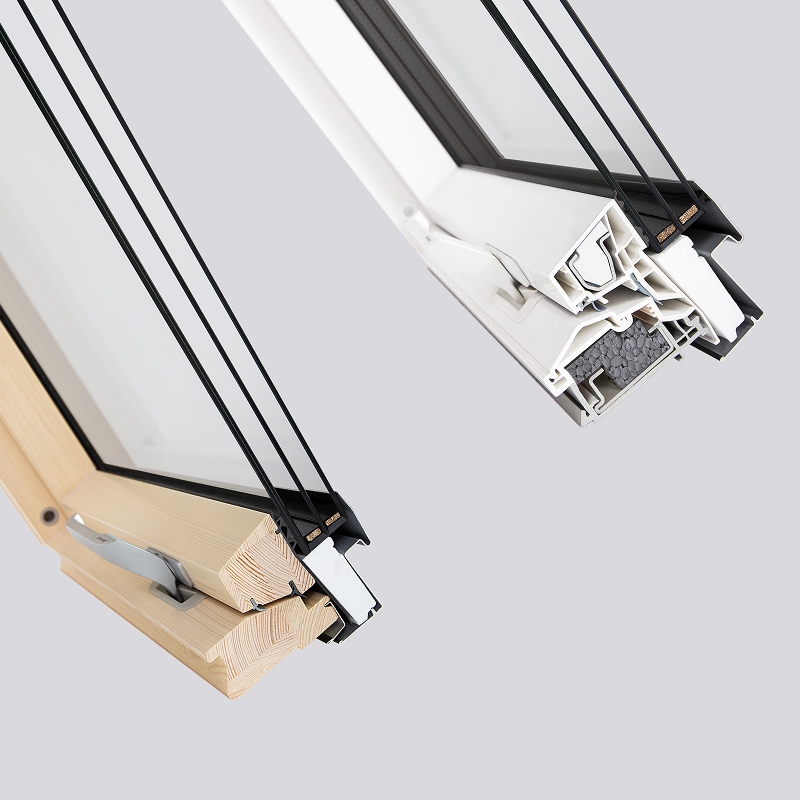 Acoustic comfort in GREENVIEW roof windows is the result of the combined performance of multiple solutions, but from the user’s perspective it comes down to one simple moment. The easy, comfortable act of closing the window - after which external noise fades away from the background. The solid construction, the sound‑insulating film in the P50 glazing unit, and the quadruple sealing system all contribute to a solution that makes a real difference. The interior immediately gains silence, and the attic becomes a space that supports rest, concentration, and everyday comfort. Silence requires no additional actions or compromises. It is the natural result of a well‑designed GREENVIEW roof window, noticeable every day.


