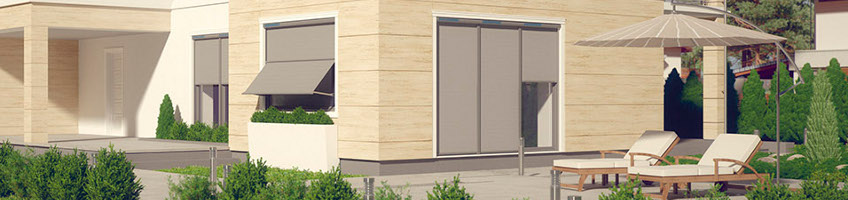
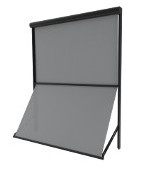
Roll-up awning for vertical windows VMB
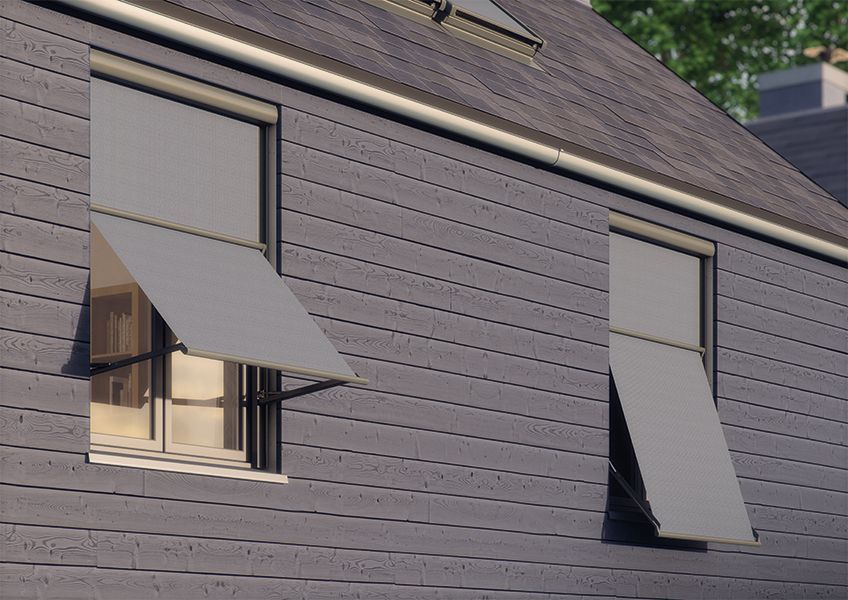
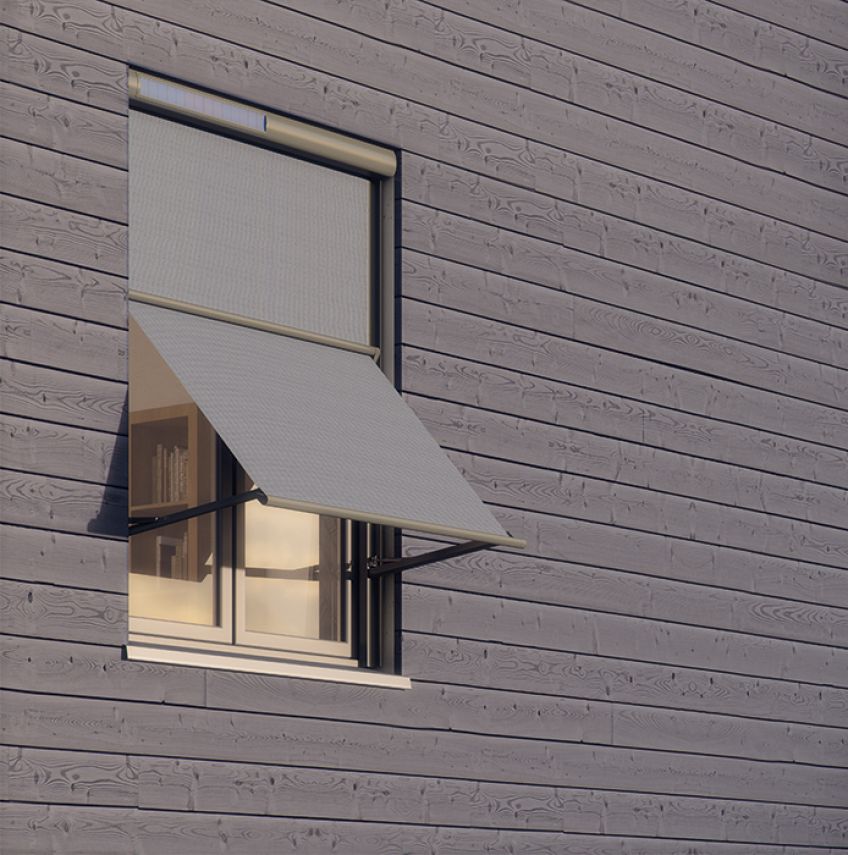
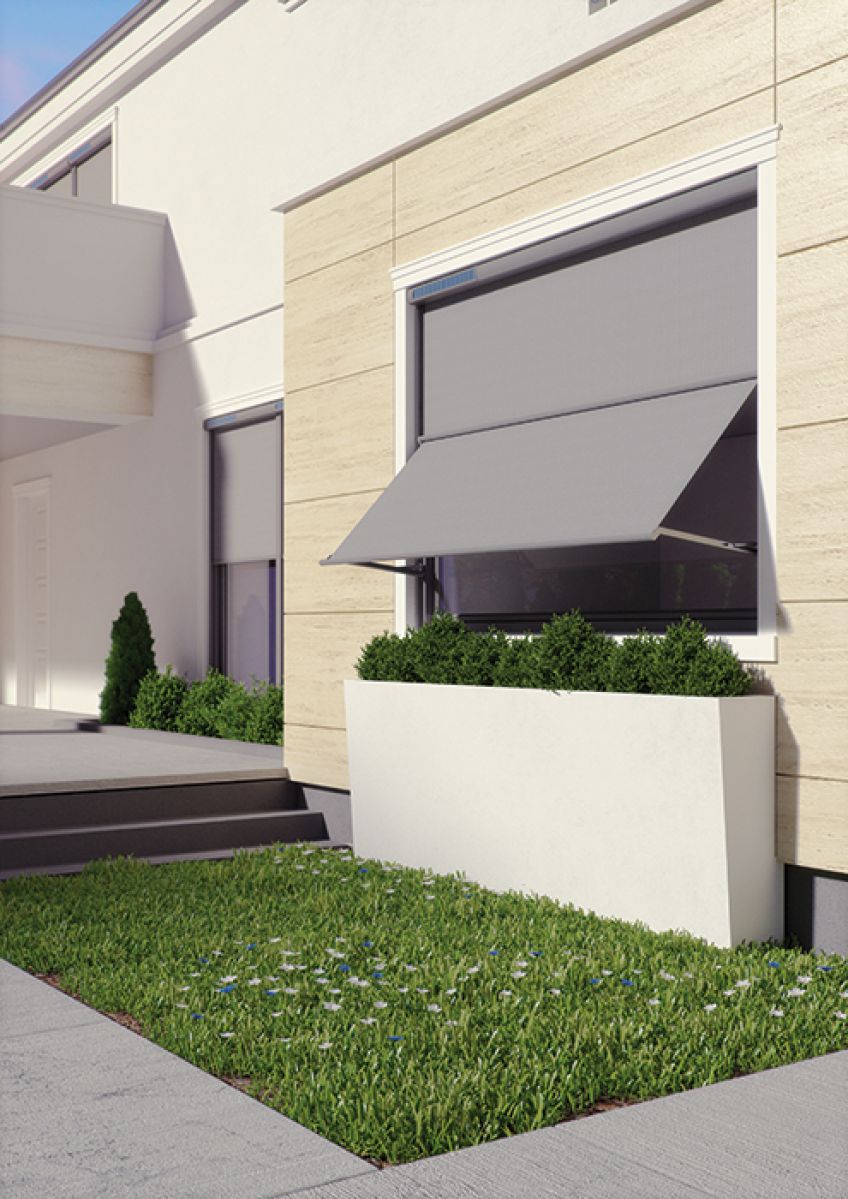
Roll-up awning has similar features as the awning blind, but it differs in terms of structure. The roll-up awning comes with a special tilting bar which creates a small roof over part of the window. Thanks to this design, the roll-up awning has a material with very dense weave and low heat transmittance, ensuring enough amount of natural light inside. This solution also enables easy access allows an outside view.
The roll-up awning can be controlled in one of two modes:
- automatic (self-activating rolling up and unrolling dependent on the level of insolation)
- semi-automatic (self-activating unrolling, rolling up via a remote control)
- operation via remote control
Gallery
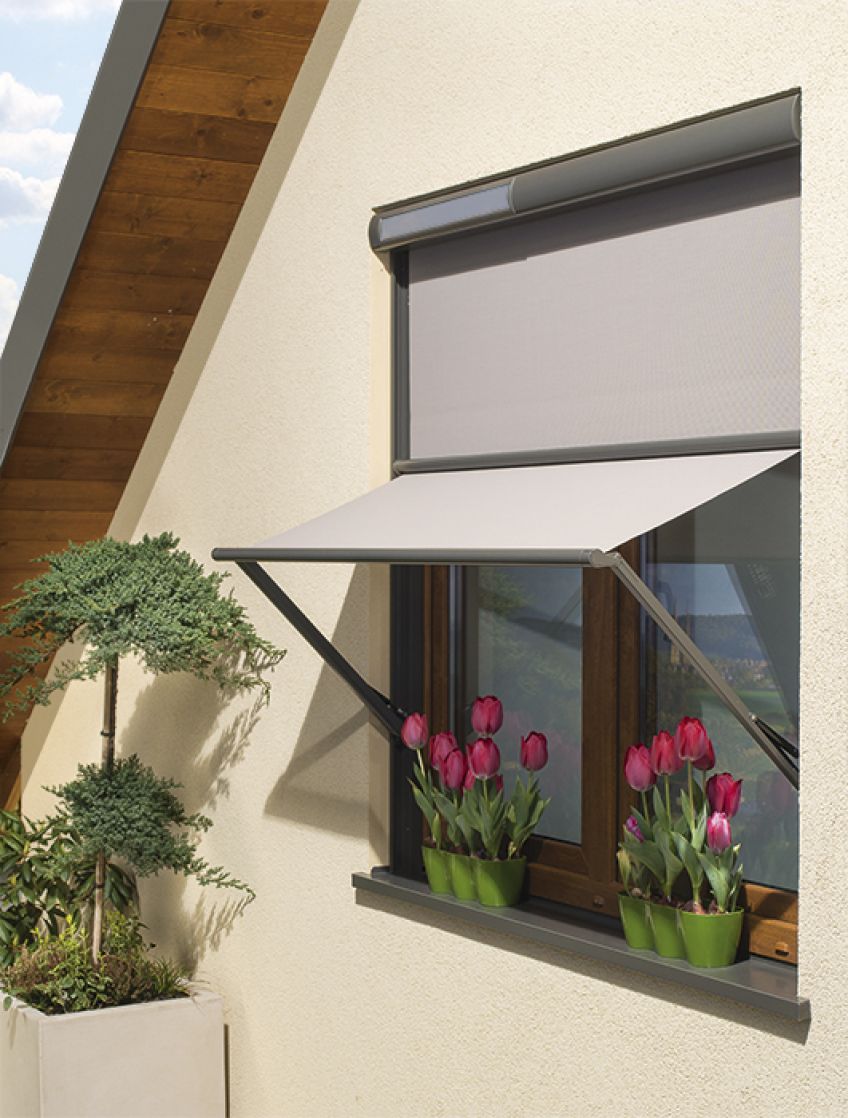
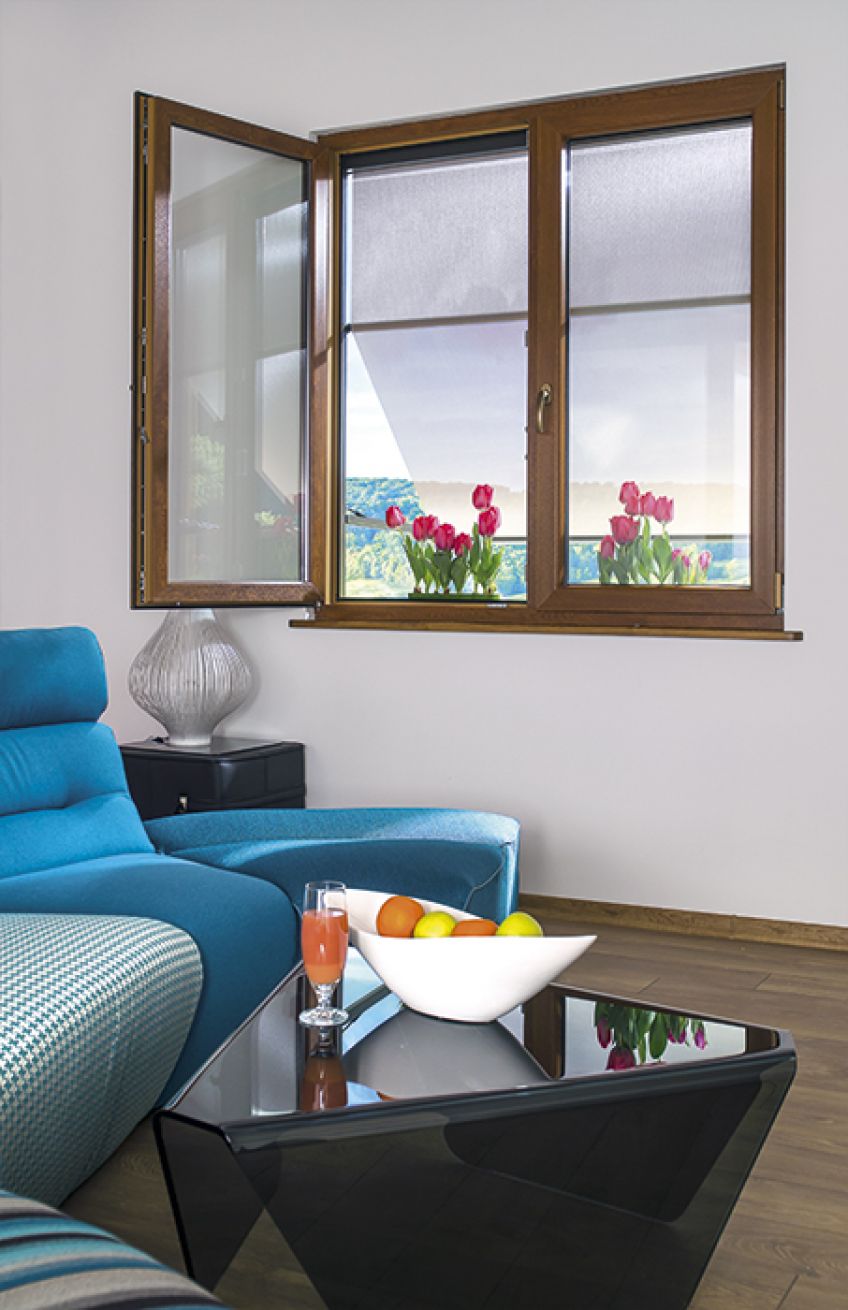
-
VMB Z-Wave
-
 Z-Wave system
-
 controlled by wall switch
-
 controlled by remote control
-
-
VMB Z-Wave Solar
-
 powered by solar battery
-
 automatic control
-
-
VMB Wifi Tuya
-
controlled by remote control
-
-
VMB Elektor 230
-
controlled by wall switch
-
Electrically operated roll-up awnings are also available in the following versions:
- VMB Z-Wave – powered by 15VDC mains supply and operated by means of a remote control or wall switch in the wireless Z-Wave system. It cooperates with FAKRO electric products equipped with the Z-Wave system. In special cases, the roll-up awning can be controlled by a service button situated on it. A 15VDC power supply unit is required to power the roll-up awning.
- VMB Solar* – powered by solar battery and operated by means of a remote control. The roll-up awning can be controlled using three modes:
- automatic (self-activating unrolling and rolling up dependent on the level of insolation). In summer mode, on a sunny day, the roll-up awning provides protection against excessive sunlight. In colder months, it can be manually switched to winter mode. In this mode, in sunny weather, the roll-up awning automatically rolls up the fabric, allowing the inflow of warm sunlight that passively heats the room. At low levels of sunlight (from afternoon to morning or in cloudy weather), the fabric unrolls to protect the interior from heat loss,
- semi-automatic (self-activating unrolling, rolling-up via a remote control),
- operated via a remote control that must be purchased separately. The Solar roll-up awning is powered by 15VDC solar battery which is built into the cassette and recharged by the solar panel.
- VMB WiFi Tuya – operated via a smartphone app.
- VMB Electro 230 – powered by mains supply and operated via a wall switch (switch must be purchased separately). No power supply is required for the roll-up awning as it can be connected to 230V mains supply.
*The Solar type awning blinds should be fitted in places with the solar panel positioned to direct sun exposure. It is recommended to install awnings on south, east and west-facing roofs. Installation in the north side may result in battery discharge and the inability to operate the blind. To ensure correct operation of the automatic mode, the solar panel must be exposed to direct sunlight throughout the active operation mode.
Relative open area
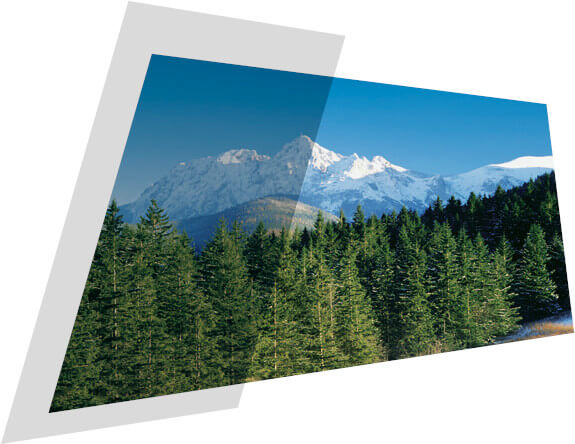
Price group I - fabric with 10% relative open area
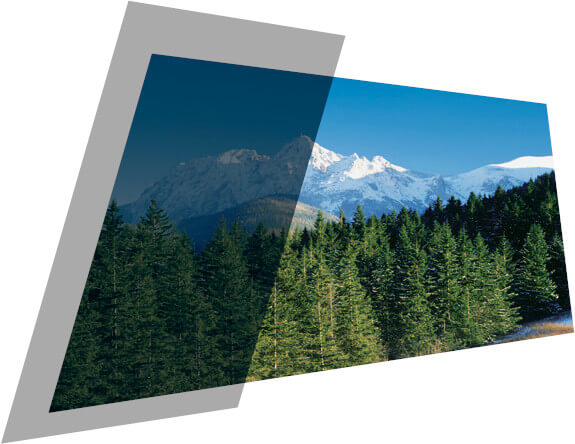
Price group II - fabric with 1% relative open area
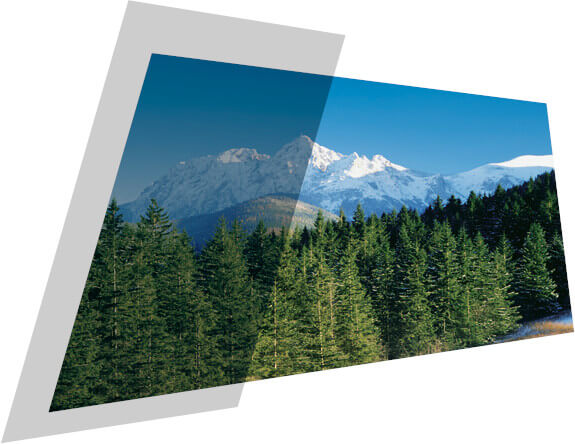
Price group III - fabric with 4% relative open area
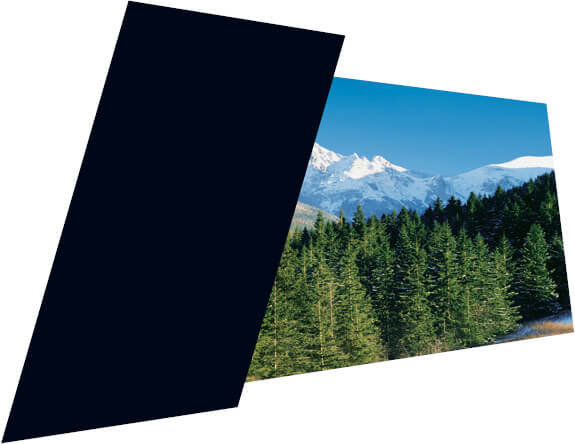
Price group IV - fabric with 0% relative open area
Colours of VMB - Price group I - fabric with 10% relative open area
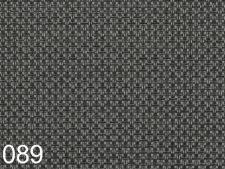


* In awning blinds with fabric 089, where the width exceeds 2100mm, the fabric consists of two parts and is joined together in the middle of the awning (horizontal welded connection).
Colours of VMB - Price group II - fabric with 1% relative open area
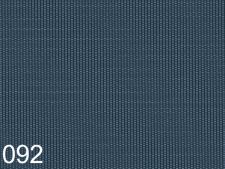

* In awning blinds with fabric featuring 1% relative open area, where the width exceeds 2400mm, the fabric consists of two parts and is joined together in the middle of the awning (horizontal welded connection).
Colours of VMB - Price group III - fabric with 4% relative open area
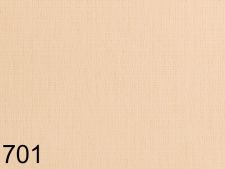
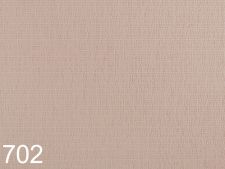
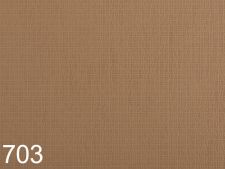
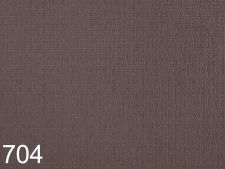
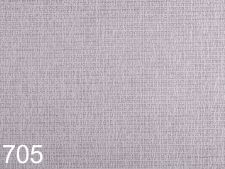
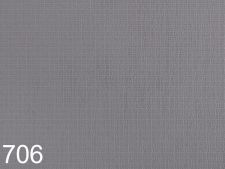
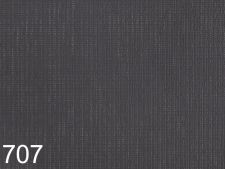
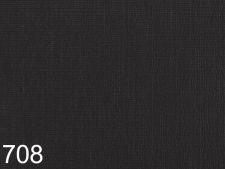
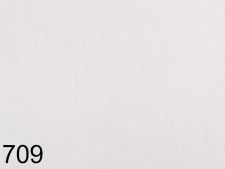

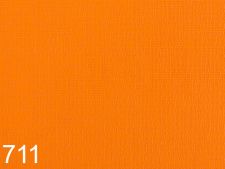
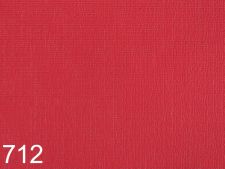
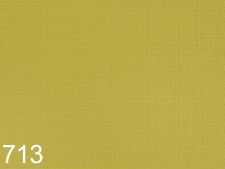

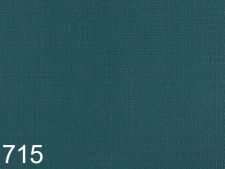
Colours of VMB - Price group IV - fabric with 0% relative open area, transparent
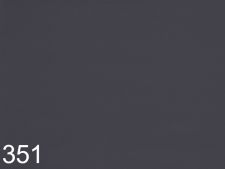
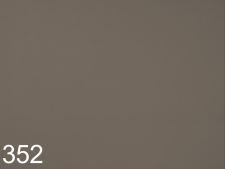
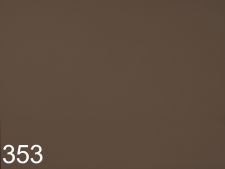

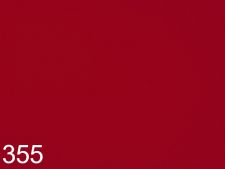
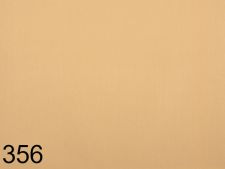
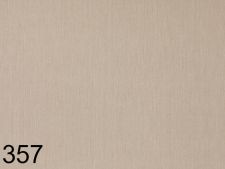
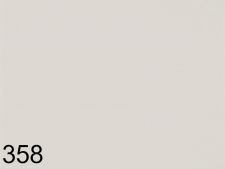

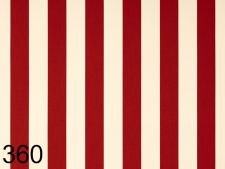
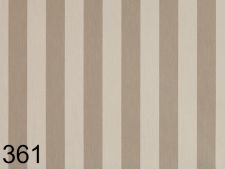

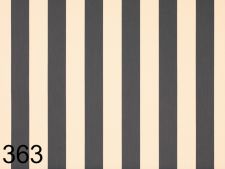
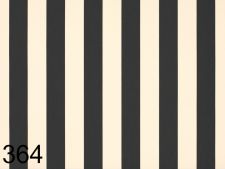

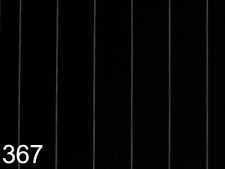
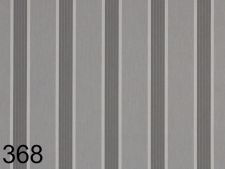
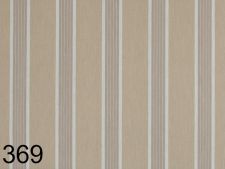
* In roll-up awnings with fabric 351, 353, 354, 356, 357, 360, 361, 362, 363, 364, 365, 366 ,367, 368, 369, where the width exceeds 1250 mm, the fabric consists of two or three parts and is joined together in the middle of the roll-up awning (welded and sewed vertical connection).
Important Safety Information
Awning blinds and roll-up awnings may only be used under conditions corresponding to the wind resistance class specified in the Declaration of Performance.
When installed on gazebos, pergolas, and other similar structures that are particularly exposed to wind, a weather automation system must be used to ensure that the awning blind is automatically retracted in the event of strong wind gusts.
Failure to comply with the above requirements may result in damage to or detachment of the awning blind and may pose a risk to people and property.
The manufacturer shall not be liable for any damage resulting from the use of the product contrary to its intended purpose, the user manual, or the operating parameters specified in the product documentation. Such damage may also result in the rejection of warranty claims.
Instructions and catalogues
Fitting instructions:
User manuals:
Film installation instructions
Product details:


